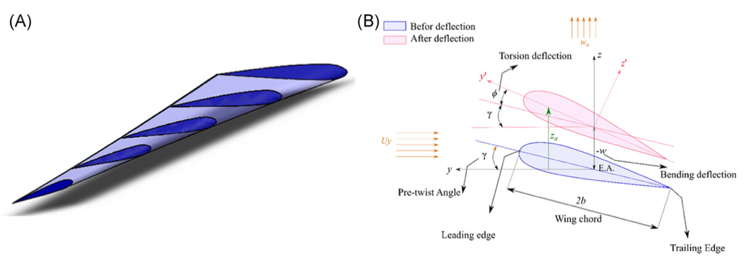
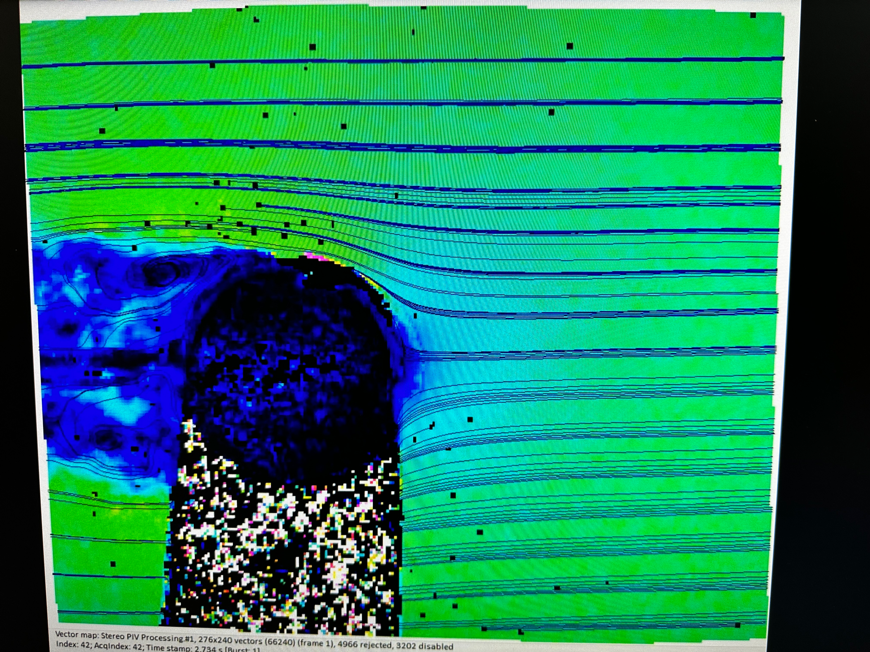
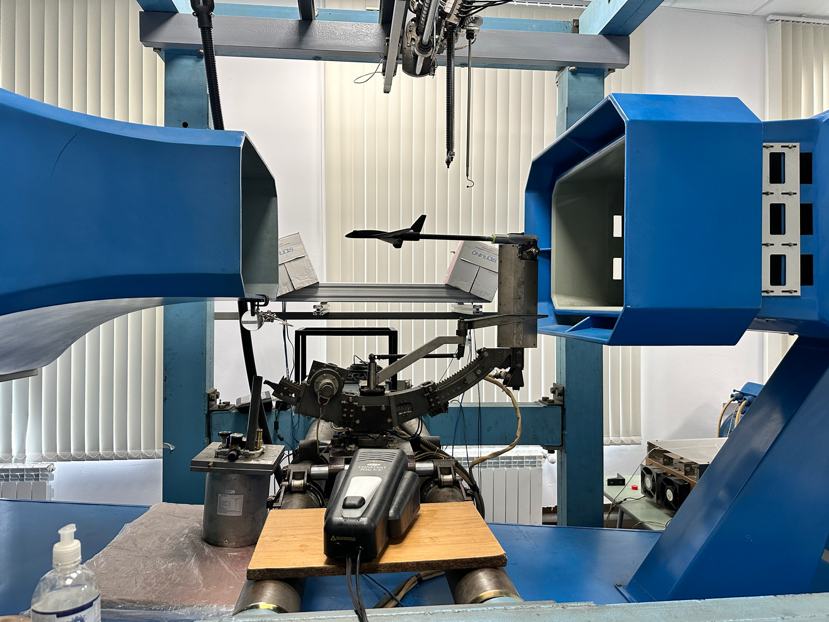
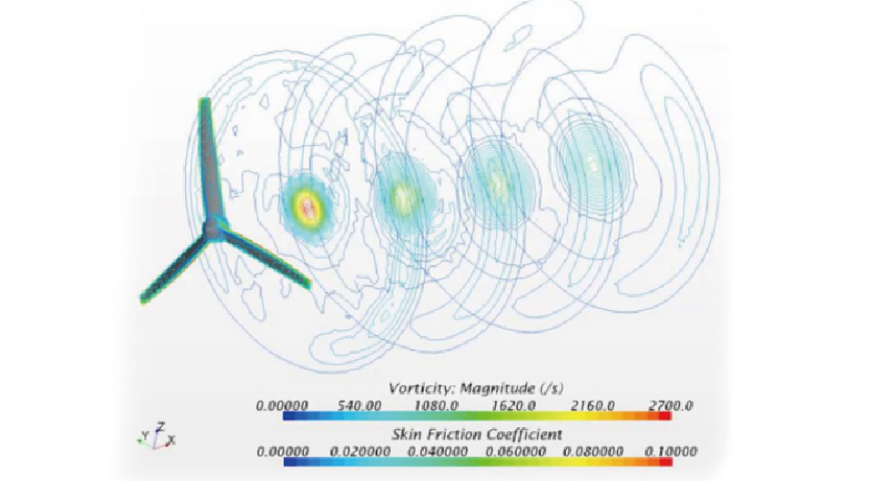
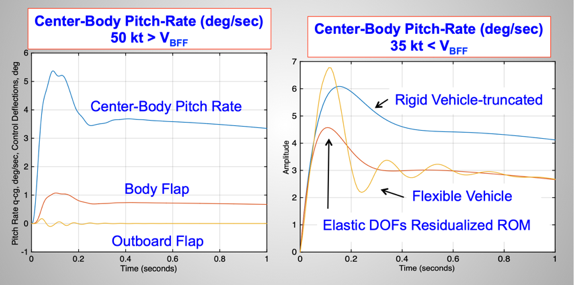
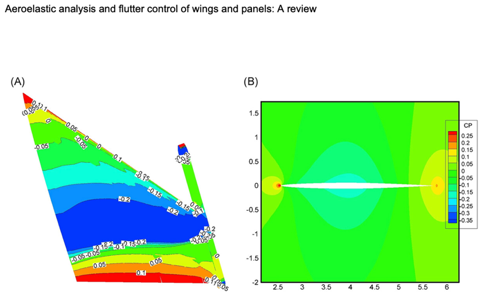
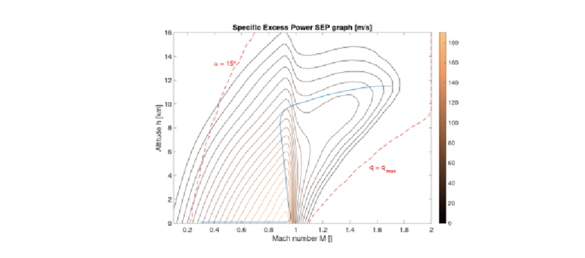
UAV design begins with understanding the specific mission requirements and objectives.A key consideration in UAV design is aerodynamics. Engineers meticulously analyze airflow, wing design, and control surfaces to optimize flight performance, stability, and maneuverability.
AV design is a multidisciplinary field that brings together engineering, aerodynamics, electronics, and advanced technologies to create sophisticated aerial platforms. Through meticulous consideration of aerodynamics, structures, electronics, and power systems, UAV designers craft aircraft that deliver optimal performance, versatility, and safety. As UAVs continue to transform industries and redefine aerial capabilities, the importance of innovative and efficient UAV design remains at the forefront of technological advancements.
Step 1: Specifications requirements and functional requirements
Step 2: Layout Selection: Aerodynamic configuration of the aircraft
Step 3: Propulsion Systems Design:type of propulsion system (electric motor/gasoline piston engine/turbojet )
Step 4: Concept Plan: Conceptual design, sketch and 3D UAV drawing
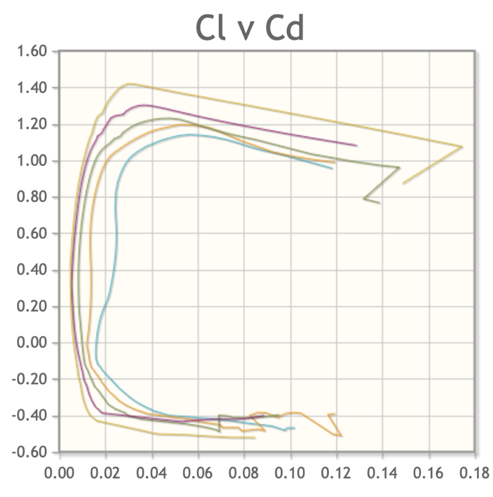
Step 5: Aerodynamic Design: analysis of aerodynamic , airfoil data, aerodynamic shape parameters and aerodynamic performance